

Behaviour and Training
From trauma to trust and transformation. Get to know and read your dog’s signals.
Not broken, just figuring things out.
Sighthounds, especially ex-racers, aren’t blank slates, and they’re certainly not “badly behaved”. They’re simply learning what life as a pet actually means. Everything from stairs to the sound of a microwave is brand new. It’s less about fixing and more about translating.
Your job, especially early on, is to build trust and give them space to decompress. Their behaviour may seem odd, shut down, reactive or overly clingy. It’s all normal. Most of it is temporary. The rest can be worked through with time, patience, and, in some cases, help from a behaviourist.
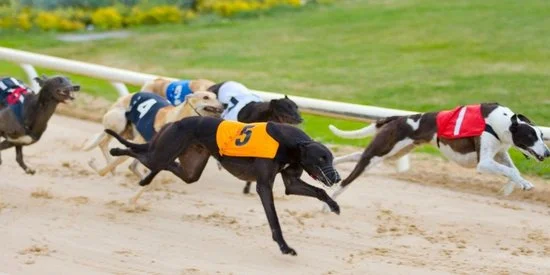
Remember their start in life…
Many greyhounds have lived in kennels for years before adoption. They’re often used to routine, repetition, and very little affection. They may not know their name, how to play, or what a sofa is for (though they’ll figure that one out fast).
Some sighthounds have experienced trauma or neglect. Others simply haven’t had much stimulation or choice. Either way, pet life is a big adjustment. Initially, you might notice:
Freeze response (won’t move)
Pacing or circling
Clinginess, or hiding
Startling at sudden noises or touches
All of this can change, but only if your dog feels safe. Let them lead. You’re building a bond, not demanding obedience.
Quick Reference
Recall and Prey Drive
Most sighthounds are terrible off-lead. Sorry, but it’s true. Their instinct to chase is strong, and their recall is often non-existent. Even the ones who come back at home may bolt in a field, especially if a squirrel appears.
Use long lines in secure areas if you want to train recall, but don’t expect perfection. Some will never be reliable off-lead in open spaces, and that’s okay. It’s not a failure. It’s just who they are.
If your dog is a strong chaser, avoid off-lead areas, especially near small dogs. Prey drive isn’t aggression, but it can look like it if you're not prepared.
Crate Training
Crates can be brilliant tools for new sighthounds. They offer a quiet space to decompress, can help with housetraining, and give your dog somewhere safe when the world feels too much.
Not every dog takes to a crate immediately, and that’s fine. Introduce it gently, never as punishment. Fill it with soft bedding, keep the door open, and let your dog explore it in their own time.
Some hounds learn to love their crate. Others prefer a quiet corner or a baby-gated room. The goal is comfort and calm, not confinement. Never use a crate as punishment for your hound. It should be associated with comfort and safety.
Separation Anxiety
Greyhounds are used to being around other dogs 24/7. Suddenly finding themselves alone in a quiet house can be confusing, even distressing.
Some will be fine. Others may howl, destroy furniture, or toilet indoors when left. This isn’t destruction for fun or being bold, it’s panic.
Start small. Leave for a few minutes, then come back. Build up gradually. Avoid dramatic exits and arrivals. Keep things boring.
If it doesn’t improve, get help early. Mild anxiety can become full-blown panic if ignored. There’s no shame in needing a behaviourist or a vet to help.
Sleep Startle and
Resource Guarding
Some greyhounds will growl, snap or even bark when startled from sleep. It’s called “sleep startle” and it’s surprisingly common. It’s not aggression. It’s a fear reflex.
The solution? Don’t wake them with touch. Call their name, clap gently, or rustle a treat bag. If children are in the house, this rule is non-negotiable. Not all sighthounds will need this type of treatment…some will happily snuggle if you wake them!
You may also see some resource guarding – beds, food, toys. Again, this isn’t dominance. It’s insecurity. Give them space and predictable routines. Don’t take things off them unless absolutely necessary. Swap with treats instead.
Socialisation
Keep things quiet at first. Don’t drag your new hound into busy pubs or dog parks. Let them watch the world from a distance. Short walks, calm introductions, no pressure.
When meeting other dogs, especially small ones, use a muzzle until you’re confident. Some greyhounds haven’t seen a small dog before and may not recognise it as a dog at all. When making an introduction, walk the dogs alongside one another rather than letting them face into each other “snout to snout” as this can be intimidating.
If your dog is nervous around people, don’t force it. Let them approach in their own time. Friends and family can help by ignoring the dog at first. No touching, no talking – just presence and patience.
Body Language
Sighthounds can be subtle communicators. Look for:
Lip licking, yawning, head turns = stress signals
Frozen posture = fear, not calm
Whale eye (showing the whites) = discomfort
Tail between legs = not just cold, often anxiety
Cold Ears = Cold Body
They don’t always growl before snapping. They don’t always wag when happy. Sometimes the have big feelings and bark loudly!
Get to know and read your dog’s signals. It’ll save a lot of confusion down the line.