

What are Greyhounds?
Thinking about adopting a greyhound? Excellent choice. These elegant goofballs are full of surprises – and not just because they can reach 40mph in a blink, then nap for 18 hours straight.

The 40mph Couch Potato
Despite their racing pasts, greyhounds are famously lazy. Yes, they can sprint like Olympians, but they burn out quickly and love to spend the rest of the day sleeping – usually somewhere soft, and ideally where you were planning to sit.
Average daily walk? 20–30 minutes twice a day will do, if they have access to a garden
Favourite hobby? Napping in odd positions
Energy level? Low to moderate: Big bursts, short-lived
Coat: Short, low-shedding, and low-maintenance
Average lifespan: 10–14 years
Average weight: 25–40kg
Common quirks: Sleep with eyes open, roach (sleep on their back like weirdos), stare into space, collect shoes
Theme Tune:“Creep” (Radiohead)
Soulful weirdos who just want to lie on your bed and wonder why they were ever called “athletes.”
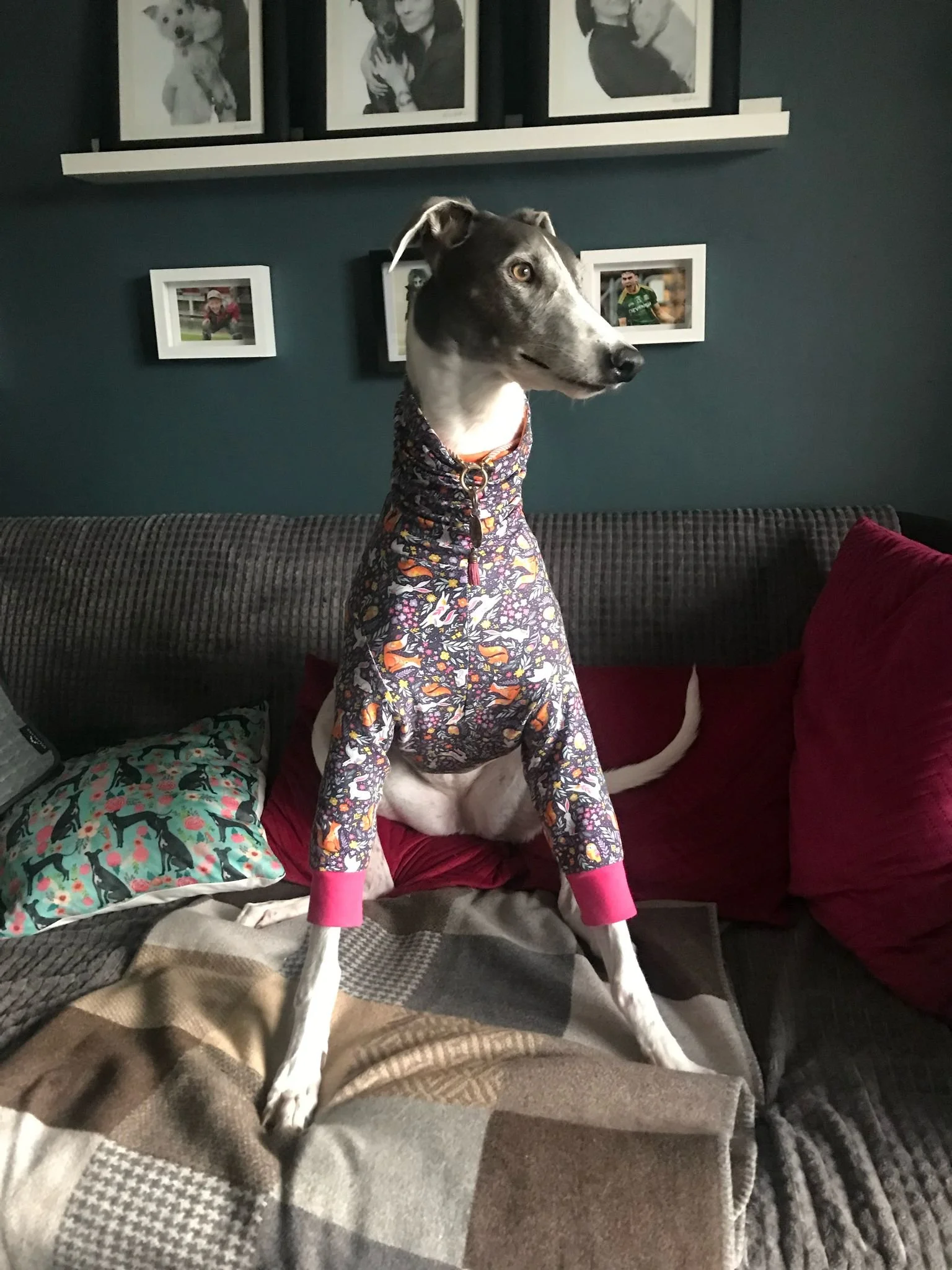
What makes them so weird different
Gentle, Quiet, and Underrated
Greyhounds tend to be gentle and reserved. They’re not typically barky, jumpy, or overly excitable. In fact, many are surprisingly shy at first and need a little time to settle into home life.
Great for quieter homes
Often good with children (supervised, of course)
Usually polite rather than clingy – think “polite roommate”, not “hyper toddler”
Greyhounds are sensitive, sweet, low-maintenance dogs with just enough weirdness to keep things interesting. They don’t need hours of walking or high-octane playtime, just a safe space, a bit of patience, and someone who understands their quirks. If you’re after a loyal companion with a huge heart (and maybe a few wardrobe requirements), a greyhound might just be your perfect match.

Built Different (Literally)
Greyhounds have a very distinct shape – deep chest, slim waist, long nose, and minimal body fat. That means:
They feel the cold: Coats and jumpers are a must.
Their skin is delicate: They need soft bedding to avoid pressure sores.
They often prefer carpets or rugs to hard floors (they’ll do a weird little dance if unsure)
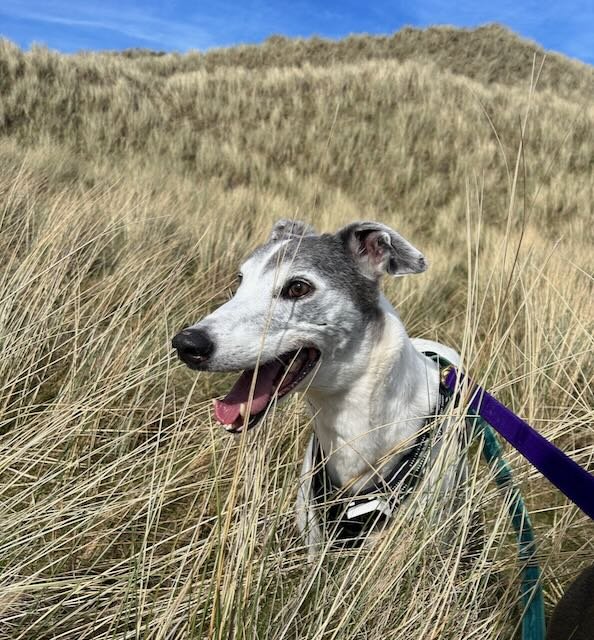
They’re smart, but not always eager to please. Greyhounds can have a selective approach to commands. Recall, in particular, can be tricky – especially if they see a squirrel.
Respond well to positive reinforcement
May ignore you if distracted (they’re not being rude – they’re just focused)
Not always suited to off-lead walks unless in secure areas
Training & Recall

Social Life & Other Pets
Many greyhounds get along well with other dogs, particularly other sighthounds. However:
Some may need careful introductions to small dogs or cats due to prey drive
Many can live happily with other calm pets after proper introductions
They often enjoy the company of other greyhounds, especially if newly retired (kinda like Irish people when they meet each other abroad)!
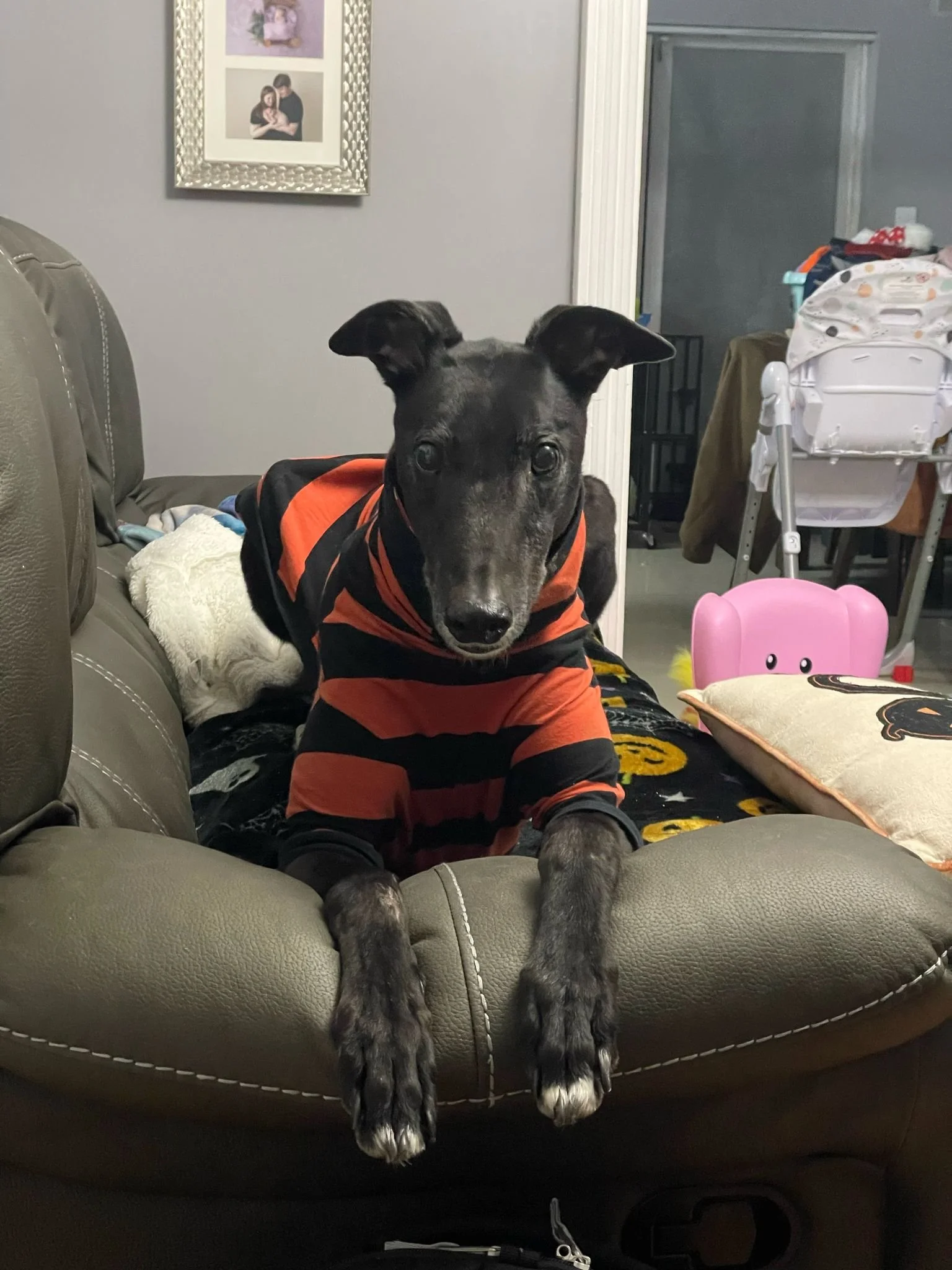
The Adaptable Retiree
Once retired from racing, greyhounds adapt well to home life – often better than expected. They tend to be:
Toilet trained quite quickly
Calm indoors and happy in apartments or houses
Surprisingly affectionate: Some become absolute cuddlebugs once they trust you (others will remind you of a judgemental cat - loyal but aloof).
Types of Sighthounds
-
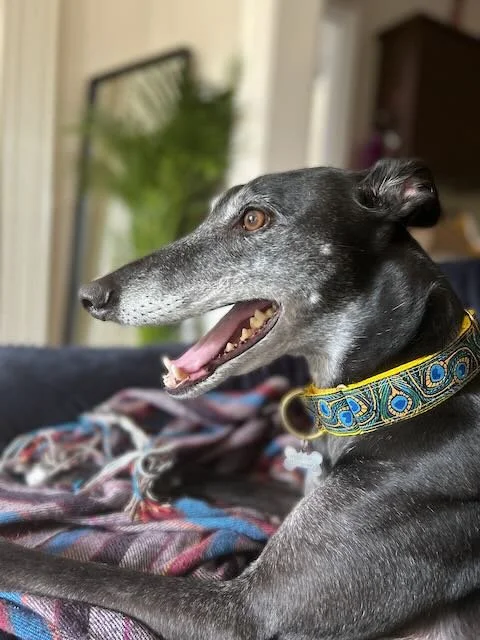
Greyhound
The OG of the sighthound world. Greyhounds are elegant, affectionate and surprisingly lazy for a dog that can outpace a motorbike. Most rescue greyhounds come from the racing industry, so they’ve got their own quirks and care needs.
Don’t be surprised if they’re scared of stairs, cling to you like Velcro, or try to nap in the fridge. They’re weird, quirky but absolutely adorable.
-
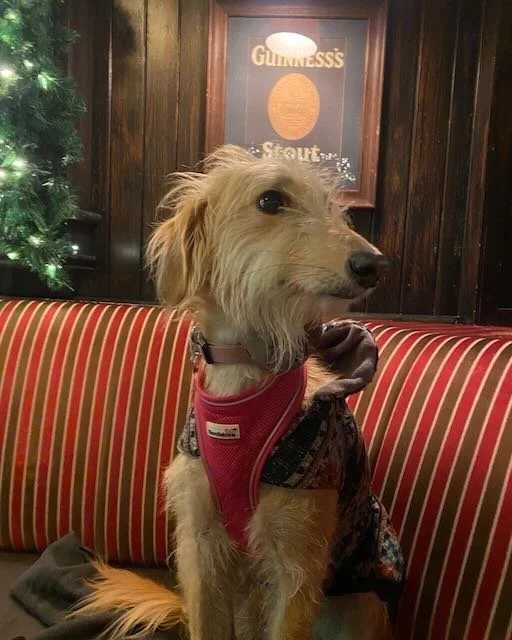
Lurcher
Not a breed, but a type. Lurchers are usually a cross between a sighthound (like a greyhound or whippet) and something else – often a terrier, collie or staffie. This makes them a bit of a lucky dip, in the best possible way.
They can be scruffier, more playful, and sometimes a bit more energetic than their greyhound cousins. Lurchers are common in rescue centres across the UK and Ireland and are just as charming (and just as capable of outrageous lounging).
-

Whippets
Whippets are basically pocket-sized greyhounds with heaps of sassiness and Mariah levels of demands. Still speedy, still snuggly, just a bit smaller and often a bit more energetic.
Some whippets are more sensitive or vocal than greys, but many of the same quirks apply. Coats in winter. Soft beds. Strong prey drive. Zero concept of personal space. Might end up demanding more cuddles than they deserve.
-

Salukis
The royal divas of the sighthound world. Salukis are graceful, gentle and often aloof. They’re stunning to look at, but not always the easiest to train or read.
If a greyhound is a sleepy uncle, a saluki is the slightly mysterious cousin who only visits when it suits them. Think Cleopatra crossed with Beyonce and a dash of madness.
-

Italian Greyhound
Teeny tiny sighthounds that look like they’ve been drawn by a fashion illustrator after a few too many…erm. Italian greys (or Iggies), are dainty, delicate, charming and completely bonkers.
They’re also always cold and will try to climb in under your clothing or covers (depending where you might be). They need warmth, attention and an understanding of their diva energy.
-
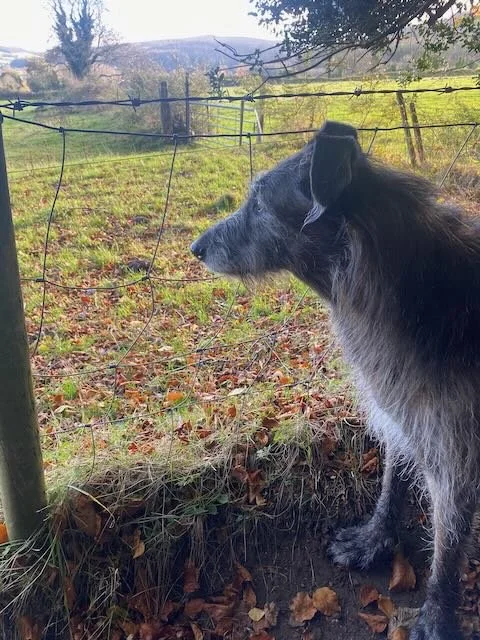
Borzoi, Wolfhound, Deerhound, Afghan and Co.
These are the giants (and glam-rockers) of the sighthound world. Less common in rescue, but no less enchanting.
Some have long flowing coats, some resemble deer in pyjamas, all share that same sighthound combination of grace, sensitivity and occasional goofiness.
Myths & Misconceptions
What people think they know about sighthounds… and what’s actually true.
-
Nope. Greyhounds and many other sighthounds are world-class sprinters, not marathon runners. They're more ‘one zoomie, three naps’ than ‘hike every hill in Ireland’. Most are perfectly happy with a couple of short walks a day, and the occasional burst of dramatic galloping.
-
They're actually the best house dogs. Even better in apartments as they won’t need to bother with the stairs! Quiet, clean, polite, and unnervingly good at doing nothing at all. Greyhounds in particular were practically designed for domestic life: minimal shedding, rarely bark, and they somehow take up all of the sofa with just one leg.
-
It depends. Some sighthounds have a strong prey drive (especially if they’ve been encouraged to chase in training), but many can live happily with cats, small dogs, and even rabbits, with proper introductions and patience. It’s not a no, it’s a let’s see.
-
Bless. These dogs are basically skin, bone, and drama. Without much body fat or a thick coat, sighthounds hate the cold and will 100% judge you if they’re not wearing a fleece. Or two. Unless, of course, they’re mixed with a hardy breed such as a terrier or collie. Get to know your dog and then make a decision.
-
Oh, they’re clever. Selective, stubborn, and sometimes too clever. These dogs just don’t see the point in doing things that aren’t fun, comfortable, or treat-related. They’re problem-solvers, especially when the problem is: how can I get that snack without moving too much?
-
Nope. While many greyhounds in Ireland and the UK are bred for racing, there are also non-racing greyhounds, lurchers (sighthound mixes), and whippets who’ve never set paw on a track. Each one’s story is different, but they all deserve soft landings and a lifetime of cuddles (at a time of place of their choosing, of course).
-
The racing industry loves what these dogs can do, not who they are. Many are discarded once they’re no longer fast enough. Injuries, abandonment, and neglect are heartbreakingly common. That’s why we’re here: to give them a future beyond the finish line.
Why We Say ‘Ex-Racer’ Instead of ‘Rescue’
We use the phrase ex-racer because it’s clear – it tells people where the dog came from and what they were bred to do. But make no mistake, our greyhounds are rescues.
Not all of them are formally “retired.” Many don’t get that far. Some never make it to the track at all. Others are discarded the moment they’re no longer useful. If they didn’t race or course, chances are they were used for underground racing, lamping, dog baiting, or simply passed between owners with no stability, structure or care.
In Ireland especially, many sighthounds are bred with no intention of ever seeing a licensed track. That doesn’t make their experience any less traumatic – or their need for rescue any less urgent.
So we say ex-racer for clarity. But we always mean rescue.
Because rescuing a greyhound isn’t about giving them a comfy retirement. It’s about giving them a second chance.