


Sighthounds: A Brief History
Sighthounds have been lording it over the British Isles for centuries. We’ve just been lucky enough to live alongside them.
Ancient Roots
Greyhounds are one of the oldest dog breeds on the planet. They pop up in ancient Egyptian tombs, Greek poetry, and Roman mosaics as if they were the star attraction. But they really made themselves at home in Britain and Ireland, where they quickly went from hunting companions to high society status symbols.
Back in ye olde days, only the nobility were allowed to own Greyhounds. In fact, by the 11th century, laws in England made it illegal for commoners to keep them. Why? Because they were prized for their hunting skills and seen as a symbol of power and privilege.
Classic Greyhound behaviour, really – always acting a bit regal.

From the Fields to the Tracks
Originally, Greyhounds were bred for coursing, spotting and chasing game like deer, hares, and even foxes. Their job was to see it, sprint after it, and (hopefully) catch it. Their incredible eyesight, explosive speed, and streamlined build made them perfect for the job.
By the 18th and 19th centuries, Greyhound coursing had become a sport for both the posh and the public. Then came track racing - the mechanical hare, the oval track, and the rise of Greyhound racing as we now know it. The first official track in Britain opened in 1926 in Manchester, and it caught on like wildfire (unfortunately).
Ireland became a huge hub for breeding, training, and racing Greyhounds. In fact, many of the Greyhounds who raced in the UK were born and reared on Irish soil.
Lurchermen
A term steeped in tradition, and no small amount of controversy.
The word lurcherman might conjure up images of tweed caps, working dogs, and muddy boots, but scratch the surface, and there’s a lot more going on (and not all of it good).
Traditionally, lurchermen were people (usually men), who trained lurchers: crossbreeds made by mixing sighthounds (like greyhounds or whippets), with other working breeds (including collies or terriers). These dogs weren’t bred for aesthetics or trophies. They were built for function - fast, clever, and silent. Perfect for one thing: poaching.
The lurcher’s origin story is rooted in survival and stealth. Lurchermen would hunt rabbits, hares, and deer, often illegally and under cover of night. In some rural communities, it was about feeding the family. In others, it became a form of blood sport.
Fast-forward to today, and the term lurcherman still floats about, but it’s often associated with illegal hunting and coursing, particularly where cruelty is involved. And here’s where it hits a nerve: lurchers, like their racing greyhound cousins, are often discarded when they’re no longer “useful.”
Injured? Too slow? Not good at the job? Off you go.
Many are abandoned, dumped in rural ditches, or left at pounds, along laneways or left to roam, lucky if they find their way to a rescue.
From Track and Field to Couch
But here’s the part we really care about – the happy endings.
Once their days on the track or field are done, sighthounds need homes. Rescue groups in Ireland and the UK (and further afield) work tirelessly to help these dogs transition from the track or field (in the case of coursing hounds), to a loving home life. And despite their past careers, most rescue Sighthounds are:
Surprisingly lazy (the “one good zoom a day” club)
Super affectionate (although they might not show it in the traditional sense)
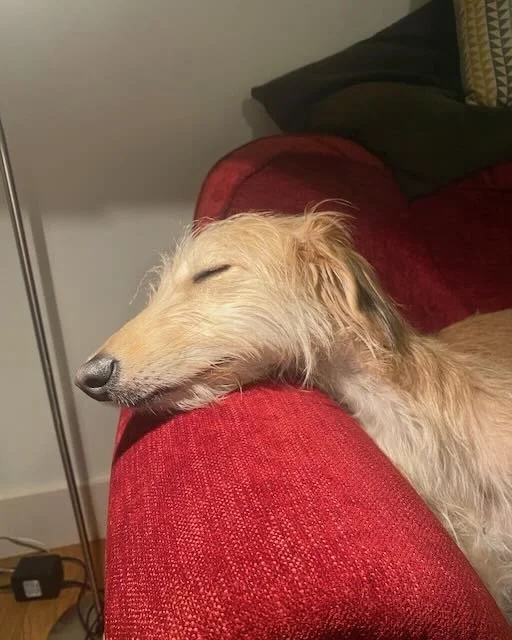
Absolutely loyal (once they’ve claimed your sofa)
Wonderfully weird (in the best possible way)
They’ve gone from noble hunters to racing pros to treasured companions, and now, they’re slowly earning the recognition they deserve as brilliant pets.
A Long Legacy, A Bright Future
The history of Sighthounds in Ireland and the UK is full of twists and turns, from medieval estates to modern-day rescues. But one thing’s never changed: their grace, their speed, and their uncanny ability to take over your heart (and probably your bed).