


Insurance and legal bits
Boring but necessary. Sometimes it can make all the difference.
Need to know…
This isn’t the glamorous side of sighthound ownership, but it is essential. Whether you’re adopting, fostering, or just researching, there are a few legal responsibilities you’ll need to understand – and they vary depending on where you live.
We’ve broken things down clearly (based on what we know), so you know what’s legally required in Ireland, Northern Ireland, and the rest of the UK.
Why pet insurance is important
Sighthounds are graceful, gentle, and occasionally ridiculous. They’re also prone to the odd injury – thin skin, delicate paws, and a talent for slipping on nothing in particular.
Pet insurance offers peace of mind. It means you won’t have to choose between emergency care and your bank account. Not all of us have our pets covered but the ones who do insisted on creating this section, so here we are! Ultimately, the decision to insure your pet is yours and your alone. If you do decide to cover your hound, here’s what to look for on your policy:
Lifetime cover
Dental coverage (important for ex-racers)
Accident and illness protection
Third-party liability
Clear terms on pre-existing conditions
Making a claim (will the company make it impossible?)
Make sure your dog is registered as a pet, not a working dog. Some insurers don’t cover former racers unless that’s made clear.
Republic of Ireland
While greyhounds aren’t listed under Ireland’s restricted breeds, local councils and housing authorities may still apply their own restrictions. Always check if you live in rented accommodation or shared housing.
-
Legally required. Must be registered with an authorised Irish database.
-
Mandatory for all dogs over the age of four months.
-
Greyhounds must be on a lead in public at all times.
-
Not legally required for greyhounds (despite common belief).
-
Item descriptionNo more than four greyhounds may be walked by a single person at once.
England, Scotland and Wales
Some public transport services or housing providers may ask for muzzles to be used, especially on buses or trains. Always check their individual policies.
-
Legally required. Must be registered on a UK-compliant database (e.g. Petlog, Animal Tracker).
-
Dogs must wear a tag in public with the owner’s name and address.
-
No blanket requirement, but dogs must be under control at all times.
-
Not legally required for greyhounds unless a specific control order is issued by a local authority.
-
Greyhounds are not a banned or restricted breed in the UK.
Northern Ireland
IThis is the only part of the UK or Ireland where muzzling of greyhounds is a legal requirement – and yes, it applies even to friendly, well-socialised pets. Enforcement varies, but the law is still on the books.
-
Required for all dogs.
-
Compulsory. Dogs must also wear an ID tag in public.
-
Legally required for greyhounds, lurchers, whippets, and their crosses in public.
-
Dogs must be kept on a lead at all times in public places.
-
No more than two such dogs may be walked by one person in public.
Breed-Specific Legislation
To be clear: greyhounds are not banned or restricted under breed-specific legislation in the UK or Ireland. They are not considered dangerous breeds and are not included in the Dangerous Dogs Acts.
However, assumptions about their temperament – especially around prey drive or nervousness – can influence local rules. If your greyhound is subject to a control order (after an incident or complaint), muzzle and lead use may become mandatory.
A Note On Muzzles
Used correctly, a muzzle is a tool, not a punishment.
Many greyhounds are used to wearing muzzles from their racing days. Some owners choose to continue using them in busy spaces, when socialising with new dogs, or during decompression periods post-adoption.
Just make sure the muzzle is well-fitted, allows your dog to pant and drink, and is introduced positively.
Final Thoughts
Understanding your legal responsibilities doesn’t just protect you – it protects your dog too. Keep your microchip information up to date. Stick to the rules in your area. And if in doubt, ask your local council or vet.
Because the less time you spend worrying about paperwork, the more time you can spend on the sofa with your long-legged legend.
The Sighthound Superpowers
-

Speed
A greyhound can hit 45mph in a few strides. Most of them, however, would prefer not to.
-

Grace
Even at rest, they carry themselves with a kind of quiet elegance. Until they flop off the sofa mid-roach.
-

Sleep
Greyhounds are fast. For about four minutes a day. The rest of the time, they are Olympic-level nappers.
-

Lurchers
Depending on what your hound is crossed with, you’re either nodding here or disagreeing!
Types of Sighthounds
-
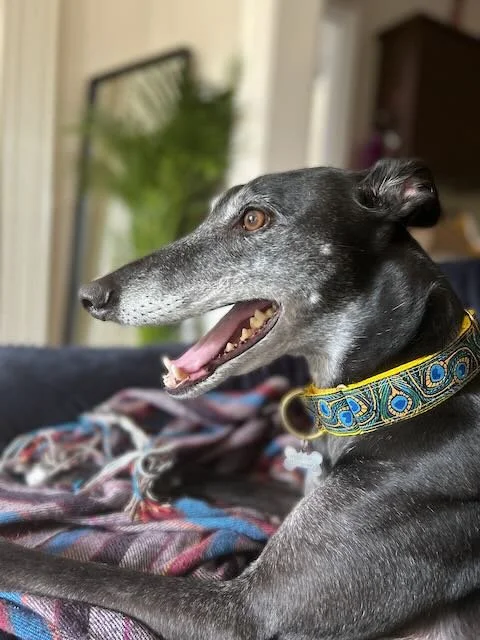
Greyhound
The OG of the sighthound world. Greyhounds are elegant, affectionate and surprisingly lazy for a dog that can outpace a motorbike. Most rescue greyhounds come from the racing industry, so they’ve got their own quirks and care needs.
Don’t be surprised if they’re scared of stairs, cling to you like Velcro, or try to nap in the fridge. They’re weird, quirky but absolutely adorable.
-
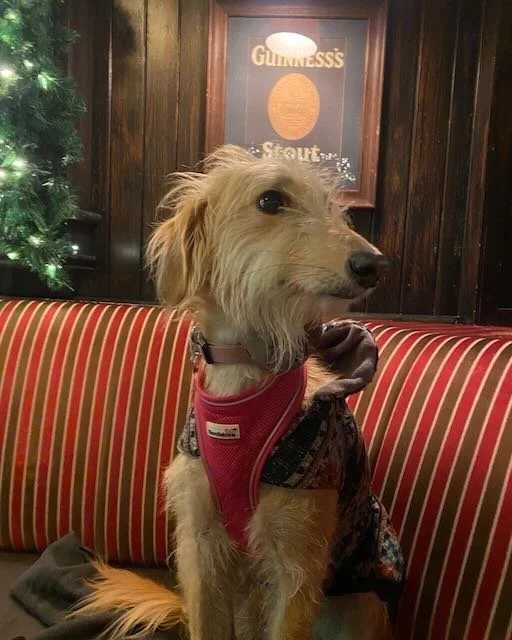
Lurcher
Not a breed, but a type. Lurchers are usually a cross between a sighthound (like a greyhound or whippet) and something else – often a terrier, collie or staffie. This makes them a bit of a lucky dip, in the best possible way.
They can be scruffier, more playful, and sometimes a bit more energetic than their greyhound cousins. Lurchers are common in rescue centres across the UK and Ireland and are just as charming (and just as capable of outrageous lounging).
-
Whippets
Whippets are basically pocket-sized greyhounds with heaps of sassiness and Mariah levels of demands. Still speedy, still snuggly, just a bit smaller and often a bit more energetic.
Some whippets are more sensitive or vocal than greys, but many of the same quirks apply. Coats in winter. Soft beds. Strong prey drive. Zero concept of personal space. Might end up demanding more cuddles than they deserve.
-

Salukis
The royal divas of the sighthound world. Salukis are graceful, gentle and often aloof. They’re stunning to look at, but not always the easiest to train or read.
If a greyhound is a sleepy uncle, a saluki is the slightly mysterious cousin who only visits when it suits them. Think Cleopatra crossed with Beyonce and a dash of madness.
-

Italian Greyhound
Teeny tiny sighthounds that look like they’ve been drawn by a fashion illustrator after a few too many…erm. Italian greys (or Iggies), are dainty, delicate, charming and completely bonkers.
They’re also always cold and will try to climb in under your clothing or covers (depending where you might be). They need warmth, attention and an understanding of their diva energy.
-
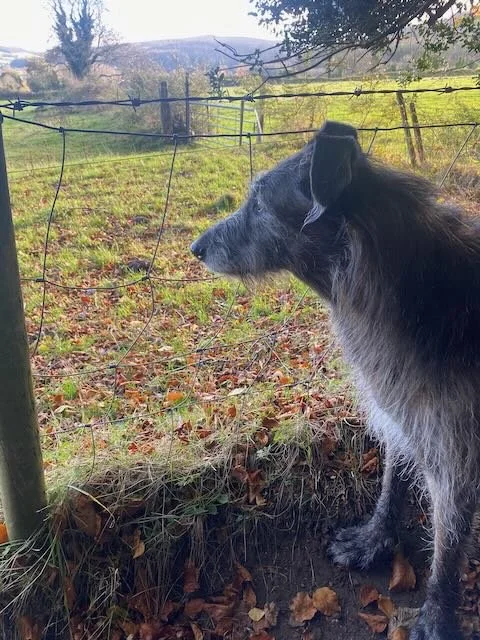
Borzoi, Wolfhound, Deerhound, Afghan and Co.
These are the giants (and glam-rockers) of the sighthound world. Less common in rescue, but no less enchanting.
Some have long flowing coats, some resemble deer in pyjamas, all share that same sighthound combination of grace, sensitivity and occasional goofiness.
Why We Say ‘Ex-Racer’ Instead of ‘Rescue’
We use the phrase ex-racer because it’s clear – it tells people where the dog came from and what they were bred to do. But make no mistake, our greyhounds are rescues.
Not all of them are formally “retired.” Many don’t get that far. Some never make it to the track at all. Others are discarded the moment they’re no longer useful. If they didn’t race or course, chances are they were used for underground racing, lamping, dog baiting, or simply passed between owners with no stability, structure or care.
In Ireland especially, many sighthounds are bred with no intention of ever seeing a licensed track. That doesn’t make their experience any less traumatic – or their need for rescue any less urgent.
So we say ex-racer for clarity. But we always mean rescue.
Because rescuing a greyhound isn’t about giving them a comfy retirement. It’s about giving them a second chance.