


Racing & Welfare
We love greyhounds. We do not love what the racing industry does to them. This isn’t just about ethics. It’s about transparency, funding, and what happens when dogs become disposable commodities.
Why We Don’t Support Greyhound Racing
Greyhounds are gentle, affectionate creatures – not machines. But in the racing and coursing industries, they're often treated as just that: disposable tools for profit.
While some will tell you the sport is part of rural tradition, or an economic necessity, we believe it's a system built on suffering and the data (even the industry’s own!) makes that hard to ignore.
This section is not about shock tactics. It’s about informed choices. Because once you understand how the system really works – the breeding, the money, the marketing, and the selective attention to “welfare”, it’s hard to look away.
This isn’t just about ethics. It’s about transparency, funding, and what happens when dogs become disposable commodities.

The Business Behind the Track
Greyhound racing is, at its core, a business. In Ireland, it receives significant public funding. According to the Jim Power Report (commissioned by Greyhound Racing Ireland in 2021), the industry:
Received over €19 million in public funding that year
Supported more than 6,000 greyhound owners
Held upwards of 16,000 races annually (pre-COVID)
The report claims a €132 million economic impact – but crucially, this figure is based entirely on data supplied by the racing industry itself. Talk about marking your own homework! It’s not independently audited or peer-reviewed, and it avoids the hard questions:
Where do all the dogs go?
How many are injured or killed?
What happens to those who never make it to the track?
Behind the headlines, the numbers are built on a culture of overbreeding, high turnover, and limited oversight.
Welfare – On Whose Terms?
Even in the industry's best-case scenario, here's what we're looking at:
Injuries and Euthanasia: In Ireland, 126 greyhounds were euthanised in 2023 due to race-related injuries. In the UK, that number was 109. These are just the ones officially recorded.
High Breeding Numbers: Thousands of dogs are bred each year to supply the industry. Not all make it to the track. And not all make it out.
Post-Racing Problems: Once they’ve “served their purpose,” greyhounds are often abandoned, surrendered, or worse. Rehoming charities (usually volunteer-run) are left to pick up the pieces.
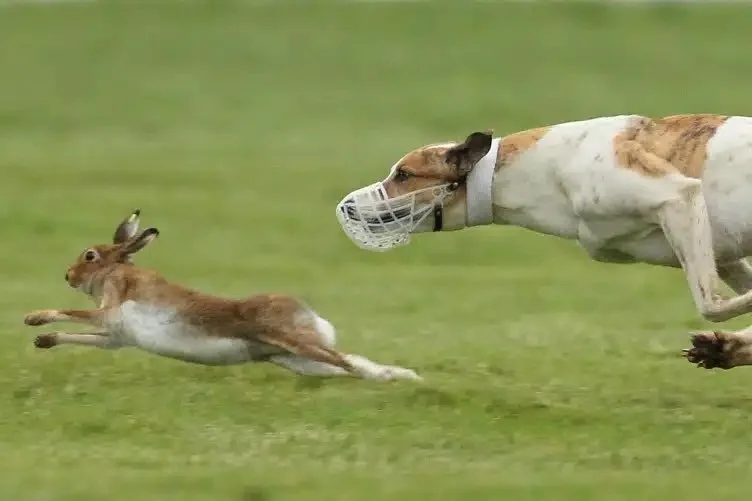
Coursing is no better. It involves live animals (usually hares) being chased and injured for entertainment. It’s banned in many countries, but not Ireland.
For every greyhound that finds a loving home, many more disappear quietly into the system – or out of it.

Coursing and Cruelty
Coursing is still legal and State-regulated in Ireland. It involves the release of live hares into enclosed fields where they’re chased by greyhounds. Muzzles are often used, but hares are still caught, injured, and killed. It’s banned in many countries, but not here.
Racing may not involve live bait, but it still raises serious welfare concerns: injuries, stress, abandonment, and the short shelf life of a “competitive” dog.
Different methods, same result. Dogs bred to be used, then replaced.
“But There Are Good Trainers…”
Yes, some people in the industry care deeply for their dogs. Some retire them responsibly. But that doesn’t excuse the system as a whole.
Welfare should be the standard, not the exception. No greyhound should have to get lucky to survive retirement.
But what about the economic benefits?
The Jim Power Report, commissioned by Greyhound Racing Ireland (the industry’s own body), claims a €132 million economic impact. But when you read the fine print, it’s clear:
“The information and data upon which the report is based was provided by Greyhound Racing Ireland.”
In other words: not independent, not peer-reviewed, and not designed to tell the full story – especially when it comes to welfare. Talk about “marking your own homework!”
We believe in a better way forward:
Adoption, not exploitation
Sighthounds as companions, not commodities
Redirecting state funding toward ethical animal welfare and public education
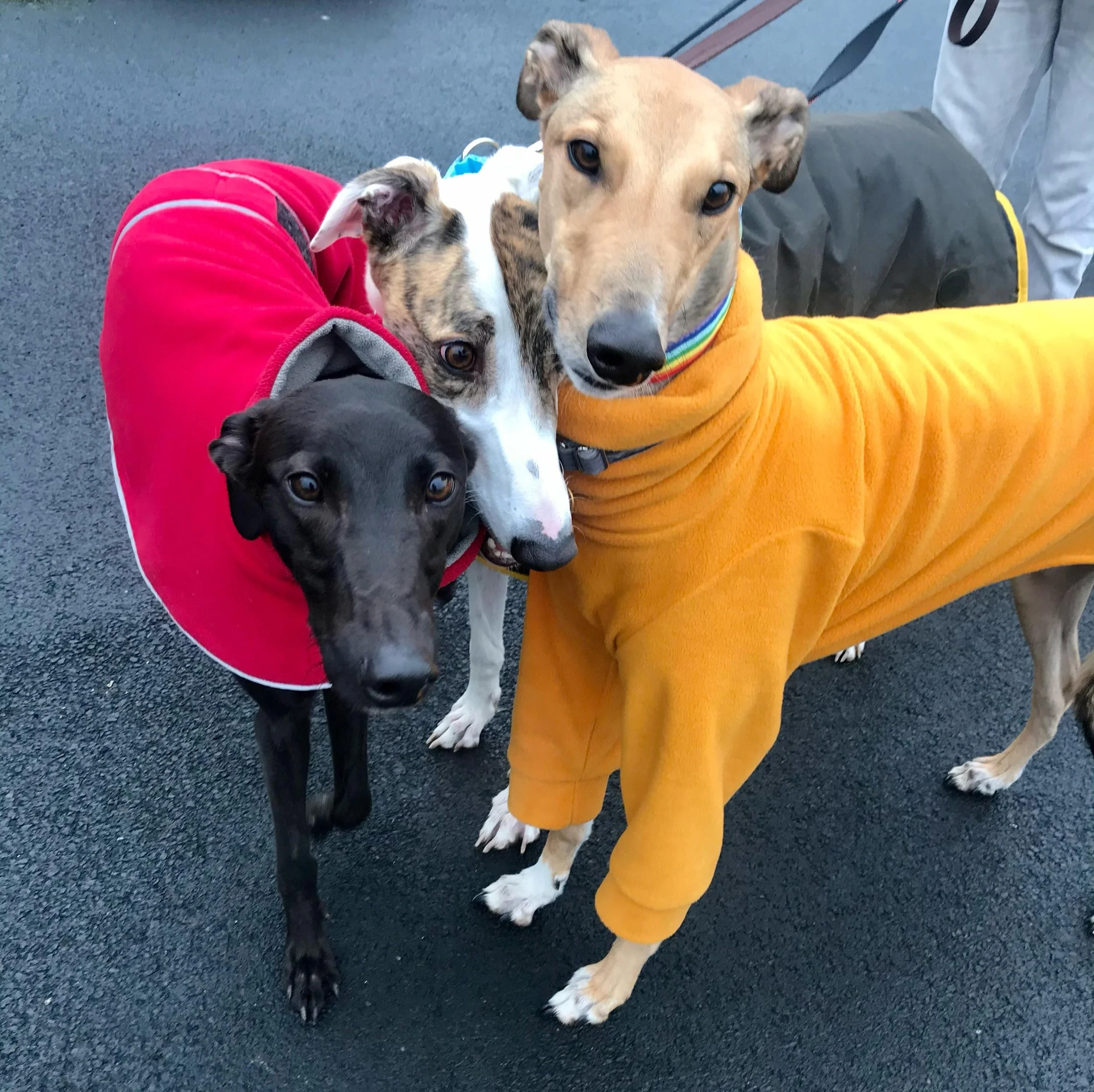
If you’ve got a long dog at home, you already know: they’re couch-loving, gentle souls who just want a warm bed, a slow walk, and someone to rub their ears.
The Myth of the Happy Retiree
“They love to race.”
It’s a phrase you’ll hear a lot.
Yes, many greyhounds enjoy running. But enjoying a sprint in a secure field is very different to being raced for profit, sometimes multiple times a week, with little agency and a high risk of injury.
Let’s not confuse ability with consent. They deserve better than a finish line.
The Sighthound Superpowers
-

Speed
A greyhound can hit 45mph in a few strides. Most of them, however, would prefer not to.
-

Grace
Even at rest, they carry themselves with a kind of quiet elegance. Until they flop off the sofa mid-roach.
-

Sleep
Greyhounds are fast. For about four minutes a day. The rest of the time, they are Olympic-level nappers.
-

Lurchers
Depending on what your hound is crossed with, you’re either nodding here or disagreeing!
Why We Say ‘Ex-Racer’ Instead of ‘Rescue’
We use the phrase ex-racer because it’s clear – it tells people where the dog came from and what they were bred to do. But make no mistake, our greyhounds are rescues.
Not all of them are formally “retired.” Many don’t get that far. Some never make it to the track at all. Others are discarded the moment they’re no longer useful. If they didn’t race or course, chances are they were used for underground racing, lamping, dog baiting, or simply passed between owners with no stability, structure or care.
In Ireland especially, many sighthounds are bred with no intention of ever seeing a licensed track. That doesn’t make their experience any less traumatic – or their need for rescue any less urgent.
So we say ex-racer for clarity. But we always mean rescue.
Because rescuing a greyhound isn’t about giving them a comfy retirement. It’s about giving them a second chance.