

The Great (UK) Vet Check-up
Why the UK government Is Sniffing Around UK Vet Bills
The UK's Competition and Markets Authority (CMA) has officially said, “Hold my stethoscope,” and launched a full-blown investigation into the £2bn veterinary services market. Why? Because, apparently, not everything’s squeaky clean in the world of worming tablets and prescription fees.
Over 56,000 pet owners and vet professionals shouted loudly enough to prompt this move, and when the sighthound squad gets riled, you know something’s up.
Here’s what’s going on (and why it matters whether your vet’s flying solo or secretly part of a mega-chain):
What’s the CMA Sniffing Out?
The CMA is concerned that the vet sector might not be working in favour of those of us with four-legged freeloaders. It’s spotted five major problems:
Not enough info to make good choices.
Most vet websites (over 80%!) don’t list prices – not even for basic stuff like consults or vaccinations. That’s like shopping blindfolded.Local monopolies hiding in plain sight.
Corporate takeovers mean your “friendly local vet” might actually be one of several in your town owned by the same massive company. Only a few even bother to rebrand, so you think you’re comparing options – but really, you’re not.Corporate incentives that limit your choices.
Big vet groups often own everything from the consult room to the crematorium. They may lean towards expensive treatments or in-house referrals, not always because it’s best for your pet – but because it’s best for business.Medication mark-ups and prescription puzzlers.
Many pet owners don’t know they can take their prescription and buy meds elsewhere – and some practices aren’t shouting about it. That’s especially rough when 25% of a practice’s income might come from medicine sales alone.Outdated regulations from the 60s.
Current rules focus on individual vets, not the business side of things. The CMA thinks we need better oversight of vet practices as commercial entities – especially with so many now being part of giant corporate empires.
What Happens Next?
The CMA has launched a formal Market Investigation – the grown-up version of “we’re not mad, just very, very concerned.” This gives them teeth. They can:
Demand proper transparency around prices, ownership, and prescription options.
Cap prescription fees.
Break up chains if needed.
Recommend new laws to bring regulation into the 21st century.
They’re taking this seriously, and rightly so. After all, the UK is home to 16 million pets – and an untold number of worried owners watching their bank balances whimper.
What Does This Mean for You and Your Hound?
Let’s be clear: this isn’t about blaming your lovely local vet. Many of them are under immense pressure, and they didn’t ask for all this corporate chaos. The British Veterinary Association is already working on guidance to make things clearer – encouraging better price transparency, clearer ownership signs, and honest convos about costs.
In fact, they’ve issued detailed recommendations that include:
Displaying price lists in waiting rooms and online.
Proactively discussing treatment costs before anything happens.
Making ownership clear – especially if there are ties to other services.
Helping pet owners understand that they can (and sometimes should) buy medication elsewhere.
So yes – ask about prices, request your prescription, and chat openly about costs. It doesn’t make you a cheapskate – it makes you an informed, savvy hound-human.
The Bottom Line
The CMA isn’t sniffing for scandal – it’s trying to make sure the system works for everyone: pets, owners, and yes, hardworking vets. And frankly, about time too.
Until then, if your vet practice seems cagey about costs or oddly cage-free about who owns them, start asking questions. We’ve got a handy vet-question checklist right here to help you get started.
Because when it comes to our long-nosed legends, we’ll always go the extra mile (but we’d rather not pay triple for the petrol).
What about Ireland?
So... Are Corporate Vet Chains Operating in Ireland?
Absolutely.
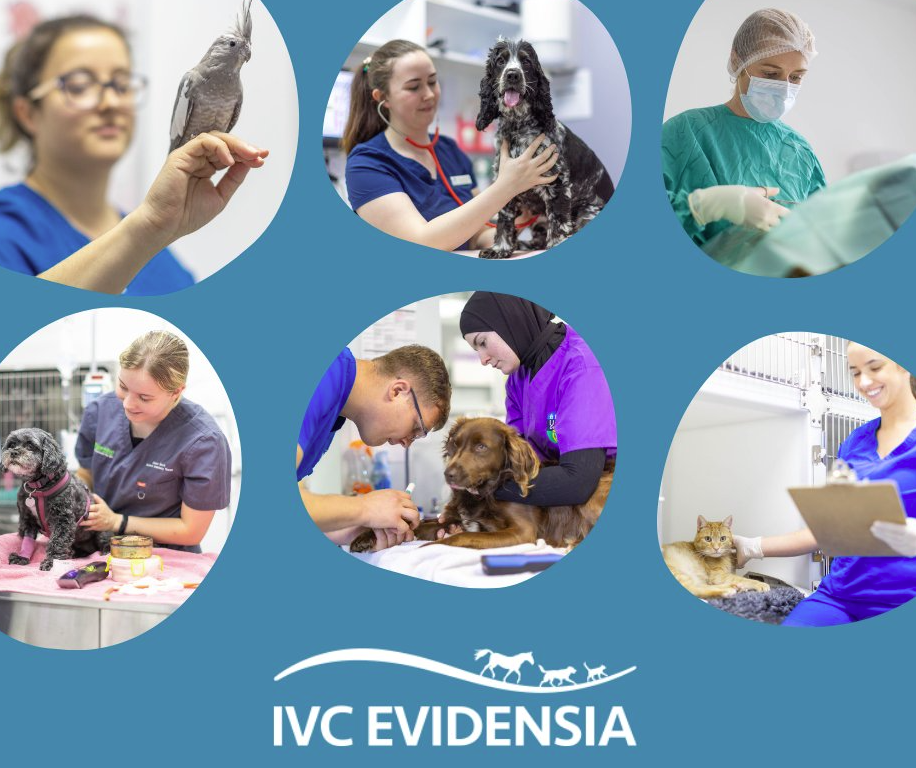
Some of the biggest UK-based veterinary groups have already set up shop here. We’re talking about names like IVC Evidensia, Linnaeus, and CVS Group (which exited Ireland in 2024), all of which have either acquired or are actively buying up independent practices across the country.
Just like in the UK, these groups often keep the original practice names and branding – so on the surface, your local vet might look like it’s still an independent operation... but it may not be.
Why Should Pet Owners in Ireland Care?
Because the same concerns apply:
Transparency – Many Irish practices also don’t show prices online, leaving pet owners in the dark when it comes to costs.
Competition – With more consolidation, choice can shrink. You might think you’re comparing local options, but you’re actually choosing between branches of the same parent company.
Prescriptions – Rules around buying medicines elsewhere apply here too. You can ask for a written prescription and shop around – but how often is that made clear?
Care options – Larger corporate practices may promote higher-cost treatments. That’s not necessarily bad, but it’s not always tailored to what’s realistic for the individual pet or owner.

Commercial Interests or Canine Care?
Let’s be clear: this isn’t about blaming your lovely local vet. Many of them are under immense pressure, and they didn’t ask for all this corporate chaos.
Any Irish Oversight Like the CMA?
Not yet. Ireland doesn’t currently have a watchdog sniffing around the sector like the CMA is in the UK. Regulation of vets here falls under the Veterinary Council of Ireland, which focuses on professional standards and licensure – not business models or commercial practice operations.
So while the CMA’s findings won’t directly apply here, they might inspire change. If the UK introduces stronger consumer protections or rules on transparency, it’s possible pressure will mount for similar measures in Ireland – especially as the same vet groups operate on both sides of the border.
Final Thought
Whether you’re in Cork, Cavan or Clapham, the takeaway is this: Ask questions. Ask about prices, prescriptions, ownership – all of it. Just like we wouldn’t blindly accept a lead that doesn’t fit, we shouldn’t blindly accept vet care without knowing who’s behind the curtain (or the consult room door).
